
Humane Bee Control & Swarm Relocation
Bees are essential pollinators under serious pressure — we never destroy a colony that can be moved. Woodrush Pest Control re-homes honeybee swarms with local beekeepers, manages bumblebee nests humanely, and proofs against masonry bees, all in line with UK wildlife legislation — across Reading, Berkshire, and Hampshire.
Which Bees Are You Seeing?
Identifying the species tells us the right — and legal — way to help.
Honeybee Swarm on a Branch
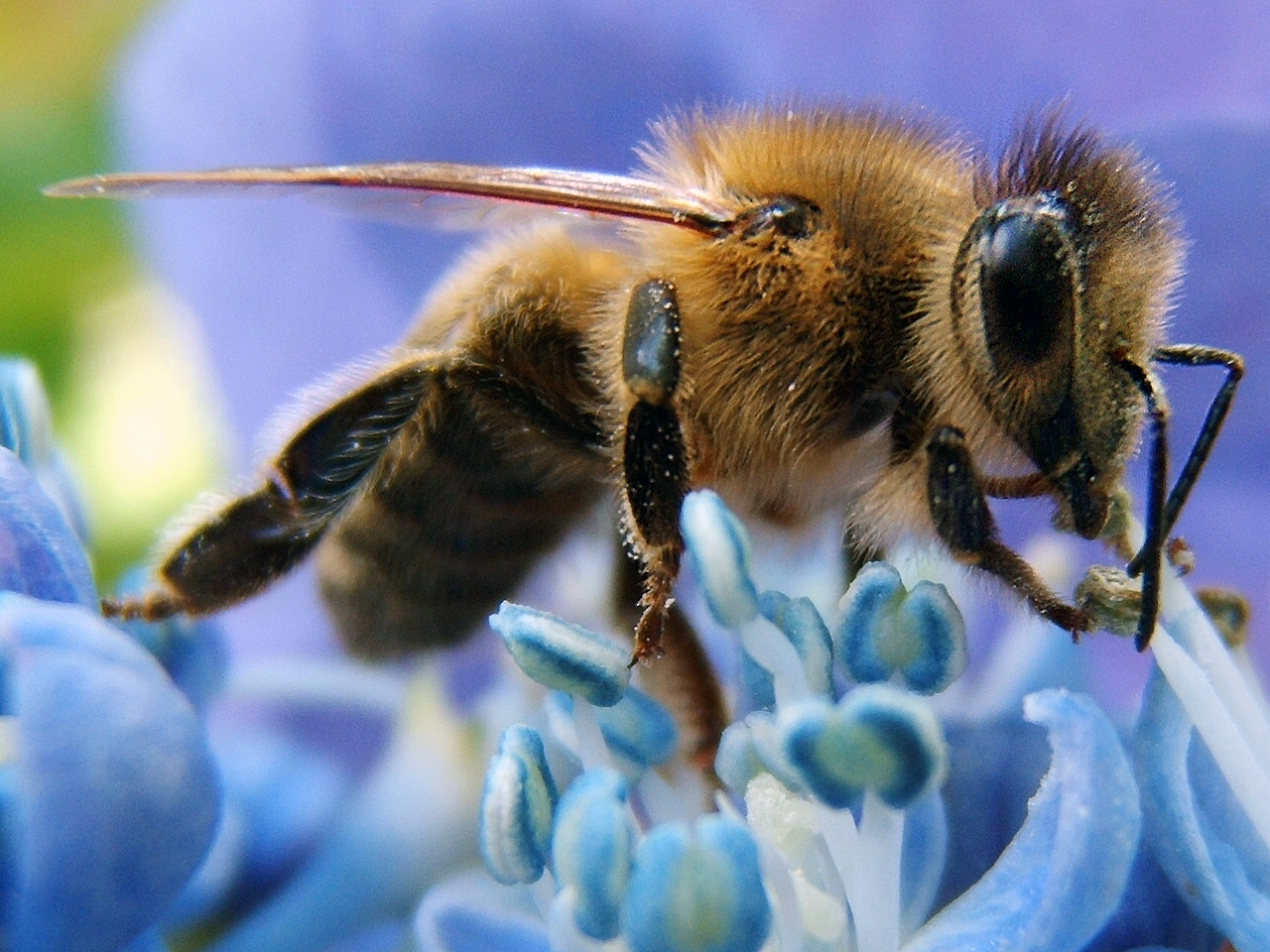
A dense, docile cluster of thousands of amber-brown bees hanging from a branch, fence, or gutter — a relocated colony resting while scout bees search for a new home. We collect and re-home these with beekeepers.
Bumblebee Nest in the Loft or Compost
Large, round, very furry bees with yellow, white and black bands entering a compost heap, bird box, under-deck void, or roof space. We relocate accessible nests or advise letting them complete their natural seasonal cycle.
Masonry Bees in Brickwork
Small, solitary bees entering individual holes in soft mortar joints and brickwork in spring. Non-aggressive and rarely damaging — we advise on repointing and proofing rather than destroying these useful pollinators.
Established Honeybee Colony in a Chimney
A busy honeybee colony established in a chimney stack, cavity, or roof void. Where access allows we work with beekeepers to remove comb and bees; where genuinely impossible we advise on safe, legal management.
Mining Bees in the Lawn
Small, solitary bees emerging from individual holes in lawns and borders in spring. Harmless and short-lived, mining bees are excellent garden pollinators — we advise on coexistence and proofing rather than control.
Not Sure — Bees or Wasps?
If you cannot tell, send us a clear photo and we will identify the insect and advise the correct, legal approach — relocation for bees, guaranteed treatment for wasps and hornets.
What Our Humane Bee Service Includes
We protect your family and property while keeping pollinators alive wherever possible.
Species Identification
Confirming whether you have honeybees, bumblebees, masonry bees, mining bees — or wasps — and assessing any genuine risk before deciding the approach.
Swarm Collection & Re-Homing
Carefully collecting accessible honeybee swarms and transporting them to local beekeepers who hive and keep the colony alive as a productive pollinator.
Nest Management & Exclusion
Relocating accessible bumblebee nests where possible, advising on seasonal coexistence where not, and excluding bees from chimneys and voids humanely.
Proofing & Repointing Advice
Advising on repointing soft mortar joints used by masonry bees and sealing entry points to prevent re-colonisation, protecting both your property and the bees.
Frequently Asked Questions About Bee Control
Everything you need to know about humane, legal bee control across Reading, Berkshire, and Hampshire.
What's the difference between bees and wasps?
Bees are robust, hairy pollinators that feed on nectar and pollen; wasps are slender, smooth-bodied predators that scavenge meat and sweets, especially in late summer. Honeybees are amber-brown and black, bumblebees are large, round and furry with yellow, white and black bands. If you are unsure whether you have bees or wasps, send us a photo and we will identify them and advise the right, legal approach.
Will you destroy a bee nest or hive?
No — not unless there is a verified, documented risk to public safety that leaves relocation impossible. Bees are essential pollinators and honeybee colonies are under serious pressure. We work to relocate live honeybee swarms and colonies to beekeepers wherever access allows, and only consider destruction as an absolute last resort where relocation is genuinely unviable.
I have a honeybee swarm in my garden — what should I do?
Stay calm, keep children and pets at a distance, and do not disturb the cluster. Swarming bees are usually docile because they have no brood to defend. Call us and we will arrange for a beekeeper to collect and re-home the swarm. Do not spray the swarm or attempt to remove it yourself.
How do you remove a bumblebee nest from my loft or garden?
Where the nest can be safely reached, we relocate it. Where relocation is not possible — for example a nest deep in a cavity or roof void with no access — we can carefully manage the situation under guidance. Bumblebee nests naturally die out at the end of each season, so in some cases leaving an undisturbed nest to complete its cycle is the most ethical option.
Are masonry bees damaging my house?
Masonry or mortar bees (e.g. Osmia species) are solitary bees that nest in soft mortar joints and existing holes — they do not swarm and are not aggressive. They rarely cause serious damage, but they can be a sign of weathered mortar that needs repointing. We advise on proofing and repointing rather than destroying these useful solitary bees.
Are your bee treatments safe and legal?
Yes. All bee work is carried out strictly in line with UK wildlife and countryside legislation and BPCA guidance. We prioritise relocation with local beekeepers, use non-lethal proofing and exclusion wherever possible, and only consider lethal control under exceptional, documented circumstances where a real risk to public safety exists and relocation is impossible.
Bees in the Garden or Loft? Call Grant Today.
We re-home honeybee swarms, manage bumblebee nests humanely, and proof against masonry bees — relocation-first and legal under UK guidance. Send a photo or speak with our specialist today.